You Want to Modernize Your Check Fraud Detection. See How Top Organizations are Doing It.

What’s inside?
Check fraud is on the rise again—and fraudsters are getting smarter. From check washing to mobile deposit fraud, traditional systems are struggling to keep up with today’s coordinated attacks. That’s why leading banks and fintechs are turning to modern check fraud software powered by AI.
In this guide, you’ll learn:
- The catalysts behind recent surges in check fraud
- Key patterns and behaviors of a real-world check fraud ring
- AI driven strategies to build a robust defense against check fraud threats
High-Level Overview of Check Fraud
Check fraud is a persistent and evolving threat within the financial landscape, highlighting the complex relationship between traditional banking practices and modern criminal tactics.
Despite the availability of many payment alternatives, checks remain a significant part of the American financial ecosystem. Their continued use for charitable donations, bill payments, and large transactions persists even as digital payment adoption grows.
The resilience of check usage has not gone unnoticed by fraudsters. Criminals exploit the trust and prevalence associated with checks to execute increasingly sophisticated schemes.
The Financial Crimes Enforcement Network has reported a significant surge in Suspicious Activity Reports related to check fraud. This increase represents an escalating challenge for financial institutions, businesses, and individuals.
Organized crime rings have become particularly skilled at exploiting vulnerabilities in the check system. They employ “walkers” and use social media platforms and the dark web to scale their operations while maintaining a relatively low risk of apprehension.
These operations are not isolated incidents. They are part of a broader trend involving increasingly sophisticated and coordinated criminal groups targeting the U.S. mail system and, by extension, the checks moving through it.
The Catalysts Behind the Surge in Check Fraud

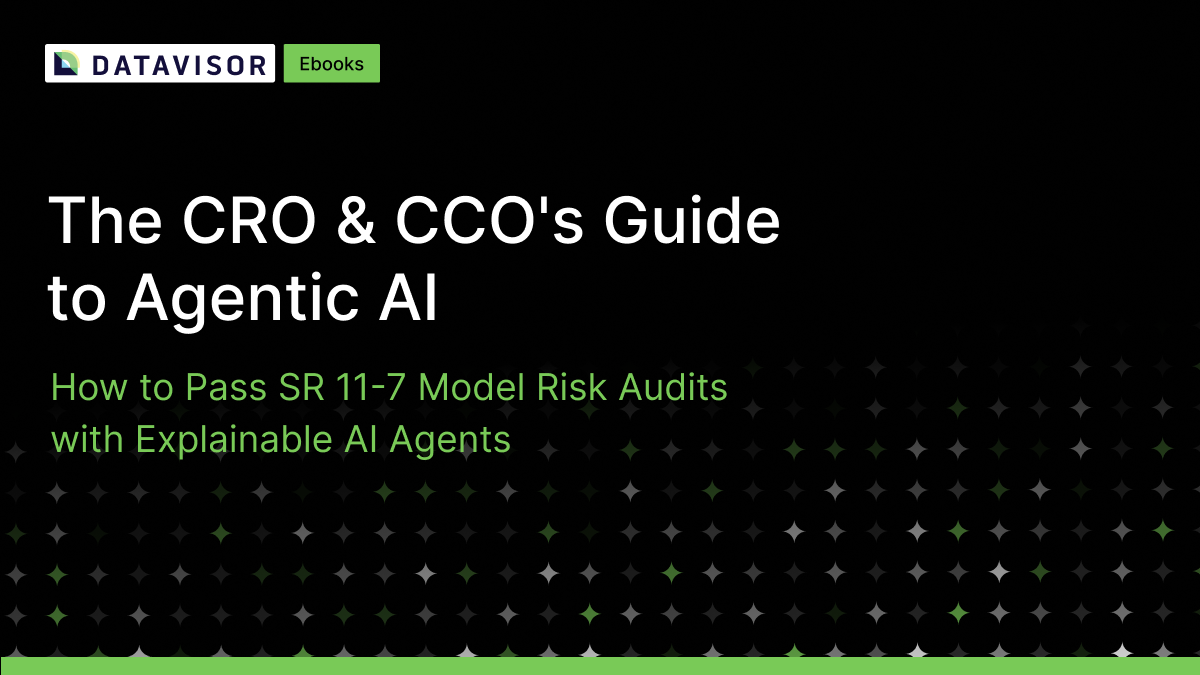

See How Top Organizations are Doing It.
See What’s Working. Download the eBook
In 2024, the preference for check payments among US consumers and businesses remains strong. Unfortunately, this preference is shared by fraudsters, making check fraud one of the most prevalent and damaging forms of financial fraud. Proving its staying power, check fraud caused FIs to file over 665,000 check fraud-related SARs in 2023. On the heels of that 134% increase in check fraud SAR filings from 2020, it’s now projected to reach a stunning $24 billion in losses globally in 2024.
While encouraging customers to adopt digital payment methods, warning about the dangers of check fraud, and prioritizing it as a fraud threat are all important mitigation strategies, they aren’t enough to stem the rising check fraud tide. This guide will introduce you to the sophisticated strategies check fraudsters use, how they operate check fraud rings to maximize attacks, and the strongest modern prevention methods and strategies to fight back.

Year-After-Year,
the Industry’s Choice






.png)
.png)