What’s inside?
Read this guide to learn:
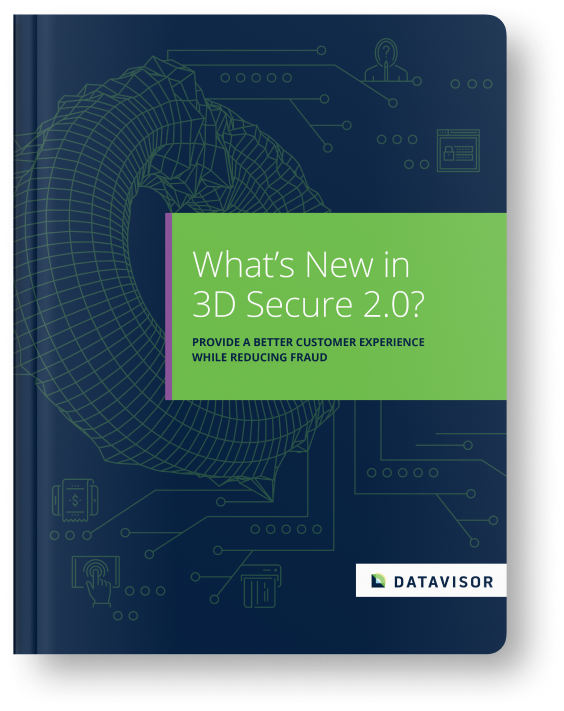
- What’s new in 3D Secure 2.0 — and why it matters
- How the transaction flow works in 3D Secure 2.0, step-by-step
- How 3D Secure 2.0 improves the customer experience while reducing fraud risk
- How AI-powered fraud & risk platform provides 10X more data, enabling 3D Secure 2.0 to approve more good customers
Introduction
Online credit card payments are subject to authentication protocols. These protocols continually evolve as new technology becomes available and more is discovered about how to protect consumers, card issuers, and merchants from potential fraud.
3D Secure 2.0 was designed to improve upon 3D Secure 1 by addressing previous shortcomings, strengthening ecommerce authentication, and providing a smoother, more integrated user experience. This guide provides an overview of 3D Secure 2.0 and what issuers, merchants, and consumers can expect.
What Is 3D Secure 2.0?
3D Secure 2.0 is a credit card security protocol designed to prevent the fraudulent use of credit card numbers. The “3D” stands for “three domains”: the card issuer's domain, the acquirer's domain, and the interoperability domain. Collecting data from these three domains supports cardholder authentication during card-not-present transactions, including online and over-the-phone payments.
The 3D Secure protocol is developed and managed by EMVCo, which is jointly owned by major credit card brands including Visa, Mastercard, American Express, Discover, UnionPay, and JCB.
The introduction of 3D Secure 2.0 followed the European Union's Revised Payment Services Directive and Strong Customer Authentication requirements. These measures were developed to enhance customer protection and security across digital payments.
What's New in 3D Secure 2.0 and Why Does It Matter?

Get to know 3D Secure 2.0
Protocols for authenticating online credit card transactions are continually evolving as new technology becomes available — and 3D Secure 2.0 offers additional protections for consumers, card issuers, and merchants. It takes into account new payment channels, advancements in digital security, and the requirement for a seamless customer experience.
In this helpful overview, you’ll learn what’s new in 3D Secure 2.0, why it matters and how it can help your organization reduce fraud risk and approve more transactions while eliminating friction for legitimate customer
Year-After-Year,
the Industry’s Choice






.png)
.png)