What’s inside?
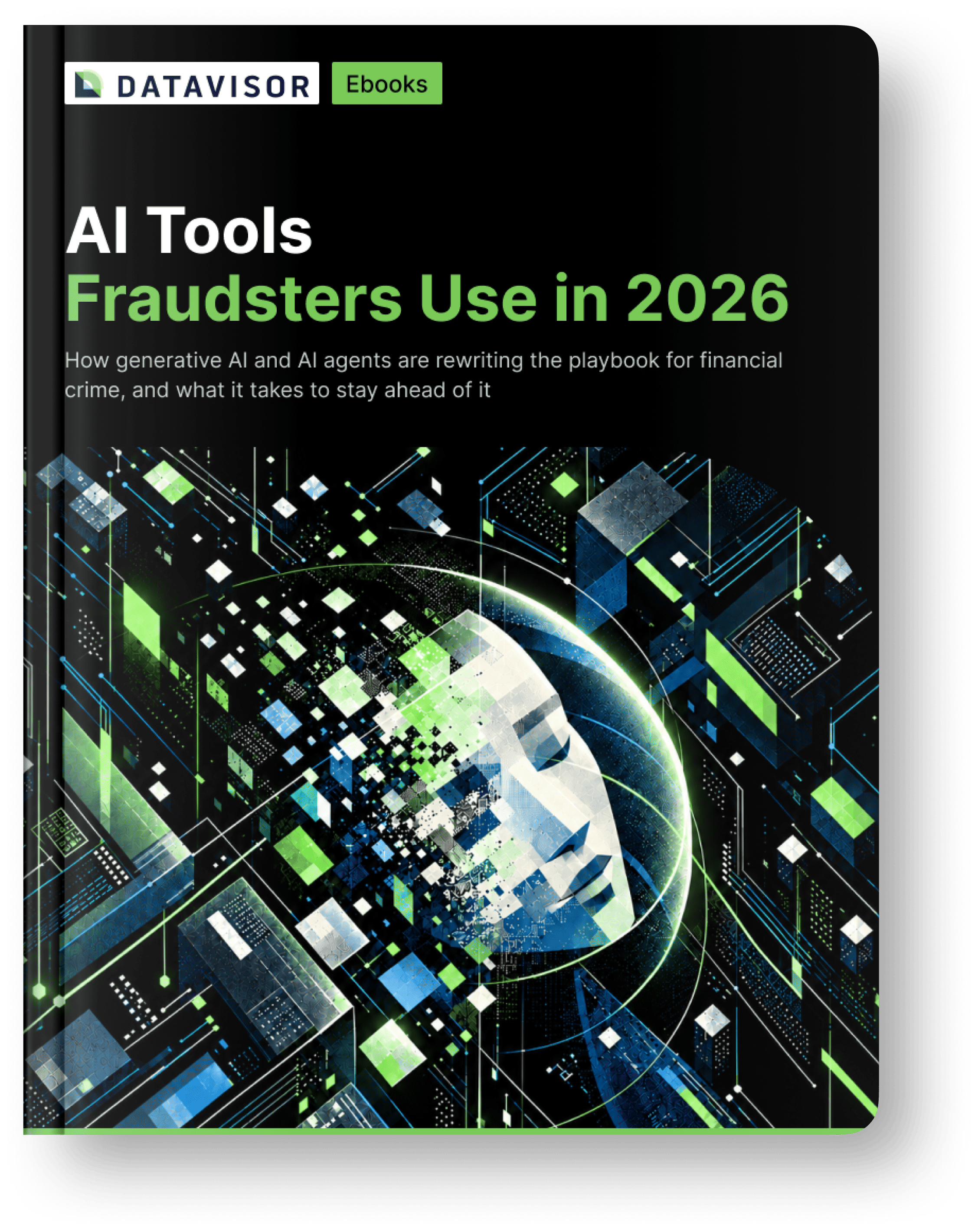
In this ebook, you will:
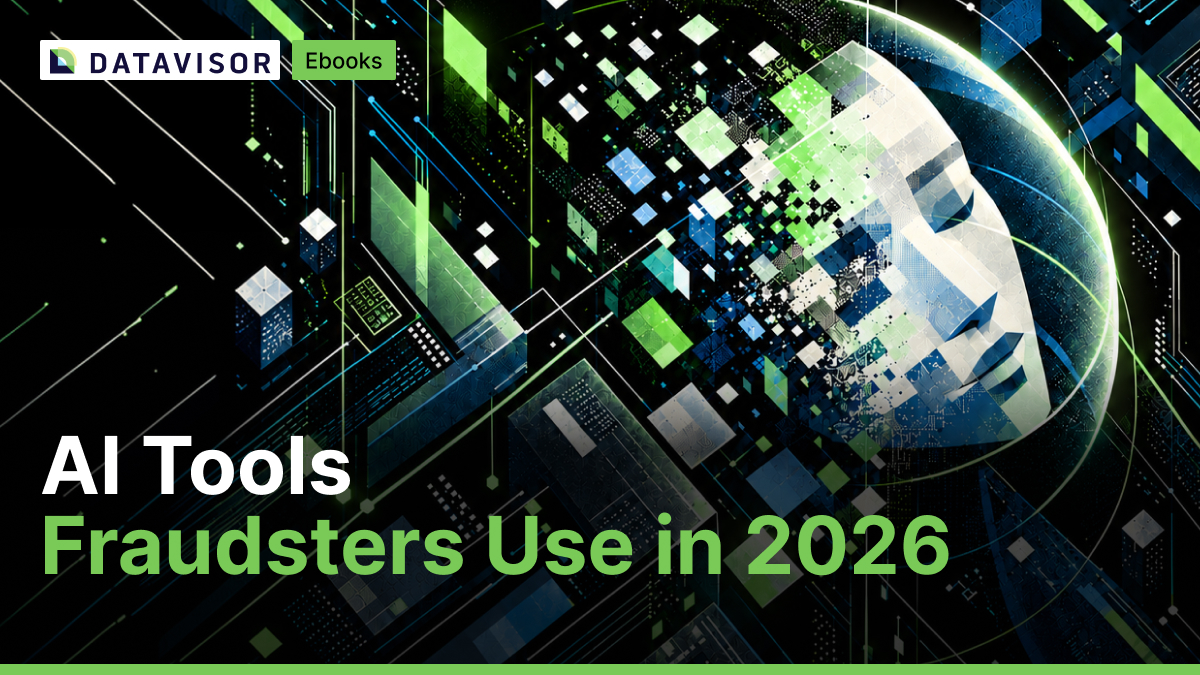
- Understand how fraudsters are using generative AI and AI agents to automate financial crime, from targeting victims to executing end-to-end attacks
- Explore how voice cloning, deepfakes, synthetic identities, and AI-generated websites are making scams more convincing and harder to detect
- Discover how fraudsters exploit KYC processes, fabricate identities, and use AI-powered tools to bypass traditional verification
- Learn why continuous monitoring, proactive detection, and adaptive AI-driven defenses are essential to staying ahead of the next generation of financial crime
AI has reshaped fraud.
Here’s the playbook.
For the past two years, financial institutions have been repeatedly cautioned that AI would fundamentally reshape fraud. It has. Eighty-nine percent now say AI is supercharging scams, industr y researchers project AI-enabled fraud losses will reach $40 billion by 2027, and INTERPOL’s latest global threat assessment puts agentic AI fraud at 4.5 times more profitable than traditional fraud. That last figure captures a real shift, from fraud that is AI-generated to fraud that is AI-operated. Models can now plan, hold context, call external tools, and complete multi-step tasks on their own, so a single AI agent can carry a scam from first contact through to cash-out, chaining toget her language models, fake identity generators, voice cloning, and deepfake tools that used to be separate point tools. Execution is growing more autonomous, and the barrier to entry keeps dropping: capabilities that once required technical skill, fluency, or a large team are now a prompt away.

Year-After-Year,
the Industry’s Choice