DataVisor has won Best Application of AI or ML in Financial Services at The Card & Payments Awards US 2026. The award recognizes DataVisor’s real-time adaptive AI decisioning platform for fraud and anti-money laundering (AML). The inaugural US ceremony took place on November 17, 2026, at Gotham Hall in New York City. Official winners · Event details
For DataVisor, this recognition reflects the work behind a clear purpose: helping financial institutions and payment providers detect financial crime and act on it in real time. It also highlights a practical question for the industry: how can AI improve the decisions and workflows that protect payments?
What The Card & Payments Awards Recognize
The Card & Payments Awards celebrate innovation, product development, best practices, and customer service across the payments industry. The US program extends an established awards platform with a presence in the UK, Ireland, and the Middle East, bringing together achievements from banks, fintechs, processors, issuers, acquirers, merchants, and technology providers. About the awards
Winners are selected through an independent judging process. Industry experts review and score qualifying submissions to create category shortlists, then meet for a final judging day to vote on the winners. The organizers specify that judges base their decisions exclusively on the information submitted by entrants. Judging process
What the AI and ML Category Evaluates
The Best Application of AI or ML in Financial Services category focuses on practical applications of artificial intelligence and machine learning within payments and related processes. Entrants must explain the problem their technology addresses, how AI enables the solution, and the metrics used to measure success. The published criteria also consider competitive value and benefits to the business or customer. Category criteria
That emphasis matters for fraud and AML teams. The value of AI depends on how it informs a decision, exposes a suspicious relationship, or helps an investigator take action. Evaluating those applications means looking at the connection between the technology and the operational problem it is intended to solve.
How DataVisor Applies AI to Fraud and AML
The organizer’s description of DataVisor’s winning entry highlights a unified platform combining machine learning, graph analysis, case management, regulatory reporting, and embedded AI agents. It supports fraud and financial crime prevention across cards, Automated Clearing House (ACH) payments, real-time payments, peer-to-peer transfers, digital wallets, and other payment flows.
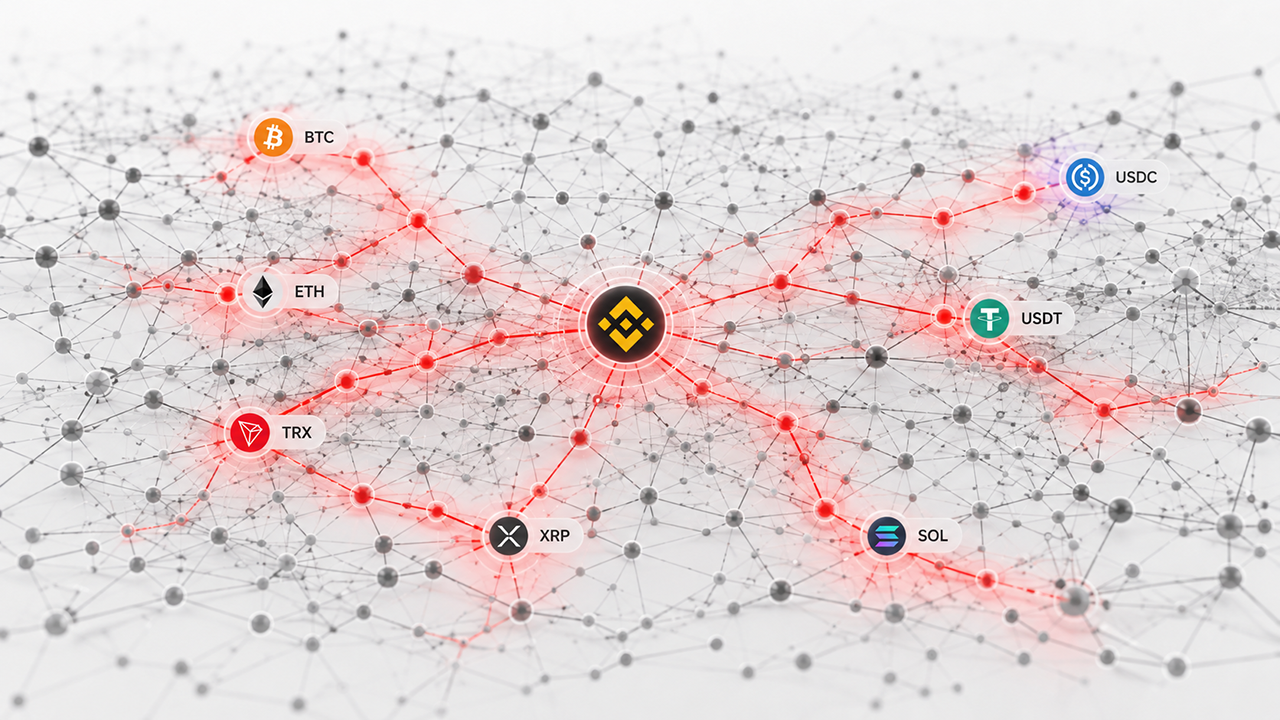
Within that platform, DataVisor combines supervised and unsupervised machine learning with graph-based detection. Unsupervised learning helps identify emerging attack patterns without relying on previously labeled examples, while graph analysis connects accounts, devices, and behaviors to reveal coordinated activity. These capabilities give fraud teams ways to examine both individual events and the relationships surrounding them. DataVisor fraud platform
AI also supports the work that follows detection. DataVisor’s agents assist with tasks such as rule tuning, alert triage, and reporting, with human oversight. Bringing detection and operational workflows together helps teams use their findings within the same environment where they investigate and respond. Platform capabilities
DataVisor continues to develop this approach through capabilities such as Vera Code, which lets teams describe fraud and AML requirements in plain language and build configurations spanning rules, decision flows, case workflows, and reports. Changes are presented for approval before going live, with governance and auditability built into the process. Introducing Vera Code
Continuing to Advance AI for Financial Crime Prevention
We are proud to receive this recognition and grateful to the customers, partners, and DataVisor team whose work makes continued progress possible. Our focus remains on helping fraud and AML teams connect intelligence to action, adapt their defenses, and maintain control over the decisions that protect their customers.